
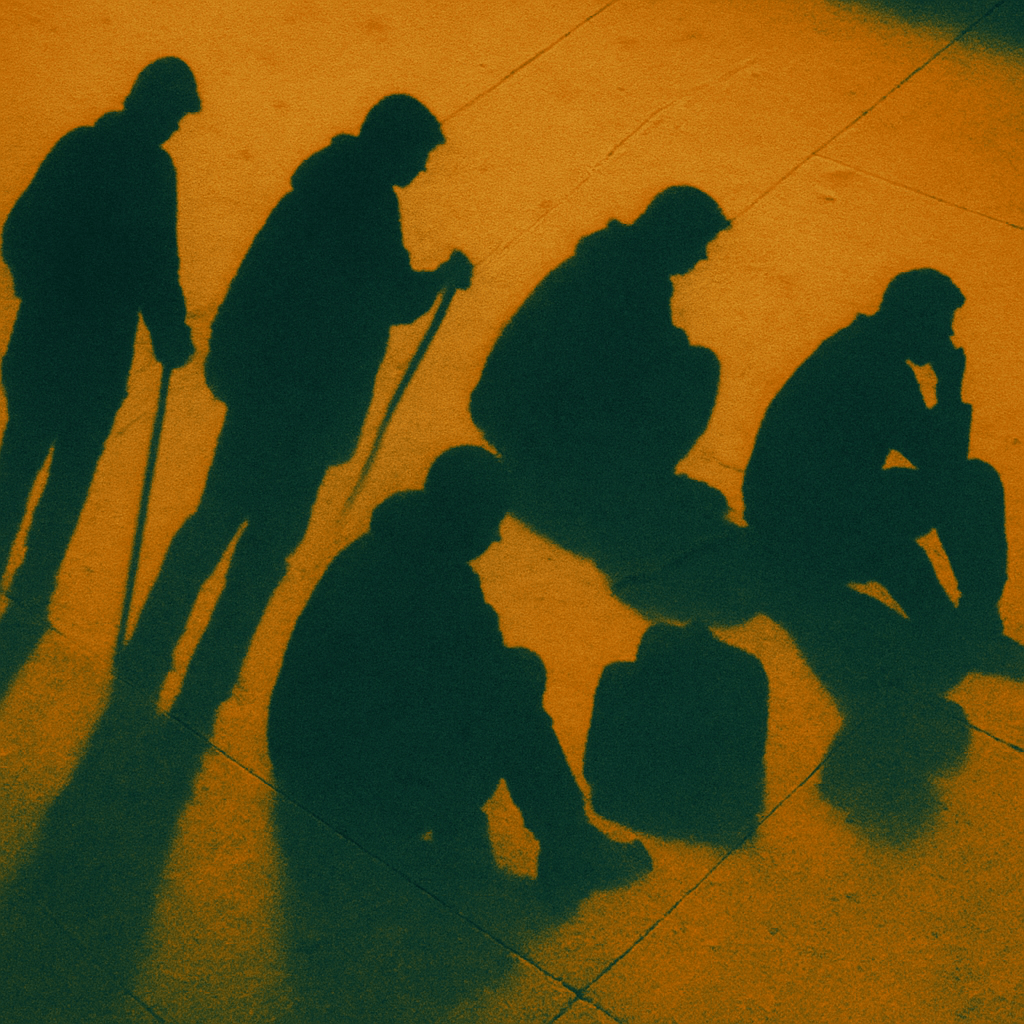
New executive order targets mentally ill and homeless for forced Ttreatment
Summary report by Liam Ronan
—An executive order signed this week by President Donald Trump would make it easier to involuntarily institutionalize people with mental illnesses.
“Endemic vagrancy, disorderly behavior, sudden confrontations, and violent attacks have made our cities unsafe,” the executive order says. Moving homeless individuals into long-term institutional settings for treatment will restore public safety, it says.
The Trump Administration wants to end court orders that block the U.S. government from encouraging the involuntary commitment of people with mental illness who are a danger to themselves, others, or who are homeless and unable to care for themselves.
White House Press Secretary Karoline Leavitt says, “By removing vagrant criminals from our streets and redirecting resources toward substance abuse programs, the Trump Administration will ensure that Americans feel safe in their own communities and that individuals suffering from addiction or mental health struggles are able to get the help they need.”
The order would also end support for “housing first” policies that prioritize shelter over treatment and recovery.
Critics were quick to condemn the administration’s move.
“The order would impose a multitude of harmful, ineffective, and outdated policies and practices for addressing homelessness,” the National Alliance to End Homelessness says in a statement.
The National Alliance on Mental Illness (NAMI) and the American Psychological Association voiced concerns that it would primarily affect people diagnosed with:
- Schizophrenia and other psychotic disorders: These are often cited as examples of “serious mental illness” targeted by involuntary treatment policies.
- Bipolar disorder with mania or psychosis
- Severe major depressive disorder: Especially those with impaired judgment or those at risk of suicide
- Severe substance use disorders: The order redirects resources toward substance abuse programs and specifically links public drug use with mental health policy changes.
- Other mental health disabilities: The order references “mental health conditions” broadly, which may mean that individuals with a range of psychiatric diagnoses—such as severe anxiety disorders, PTSD, or borderline personality disorder—could potentially be subject to the order if their symptoms are interpreted as causing public disorder
Comment: Having seen people suffer with schizophrenia and other psychotic disorders, I think incarceration is the last thing they need. They do need treatment and medical care, but there are not enough treatment facilities to accommodate those who need it, nor are the ones available offering adequate services. The experiences I’ve seen with psychiatric hospitals is also lacking. They provide quick fixes of over-prescribing medications that numb their patients, without providing a realistic care plan for improving the lives of those suffering psychiatric conditions.
Recent Headlines
- Please Don’t Reply: Why I Sent Hundreds of Texts During My Manic Episode and Couldn’t Respond
- Why Manic Spirituality Feels More Real Than Reality
- Salt Cravings, Dirty Fingernails, and Cracked Skin: The Physical Signs of My Mania
- AI and Bipolar Disorder Mood Detection: How Machines Are Learning to Spot Mania Before You Can
- I Hid Things Everywhere, Even From Myself: The Compulsion Nobody Warned Me About
 Mania Insights
Leave a comment