
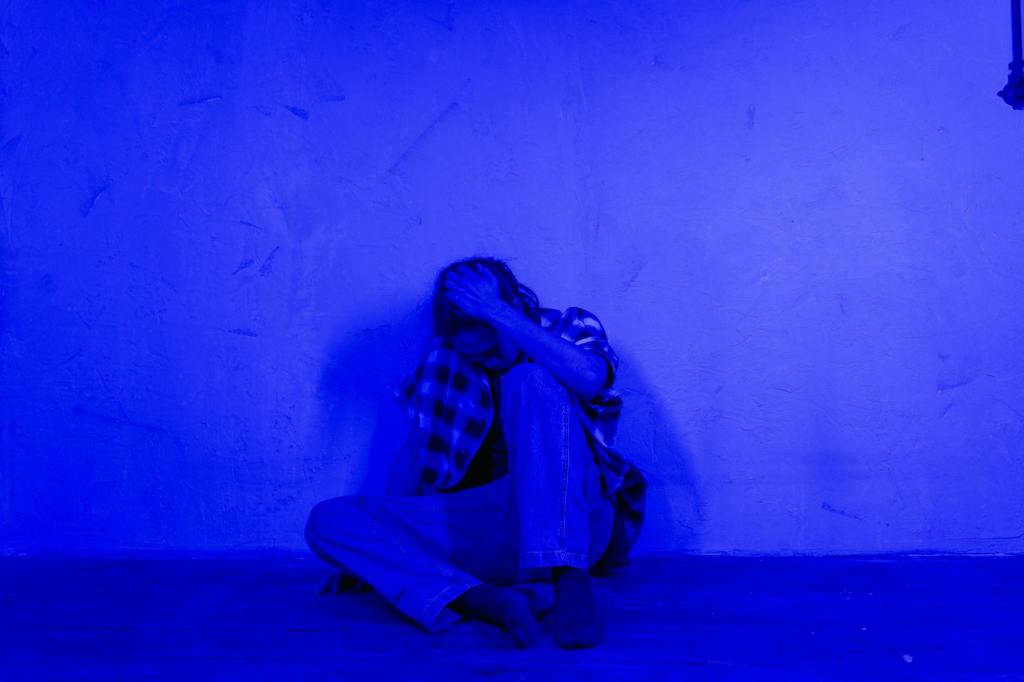
One-Third of People With Bipolar Disorder Experience Mixed Features, Yet Clinicians Often Miss Them. The Consequences Can Be Deadly.
Bipolar mixed episodes combine mania and depression at the same time. They are among the most dangerous and misunderstood experiences in mental health. And as the bipolar community marks World Bipolar Day 2026 under the theme #BipolarStrong, mixed episodes are getting overdue attention.
According to the DSM-5-TR, roughly one-third of people with bipolar disorder experience mixed features. That means you can meet criteria for a manic episode while simultaneously experiencing depressive symptoms. Hopelessness. Fatigue. Suicidal thoughts. Or you’re in a depressive episode while showing signs of manic activation. Racing thoughts. Agitation. Impulsivity. Sleeplessness. All at once.
A recent analysis published by Pharmaphorum highlighted how often mixed episodes are missed. They don’t fit neatly into “manic” or “depressed.” Clinicians sometimes treat only the most visible symptoms. Miss the full picture.
That’s a serious problem. Mixed episodes carry the highest suicide risk of any bipolar mood state. The combination of despair and energy is what makes them so dangerous. A person in pure depression may lack the motivation to act on suicidal thoughts. In a mixed state, mania’s energy can remove that barrier. Depression provides the intent.
The symptoms include feeling wired and exhausted at the same time. Racing thoughts paired with intense sadness. Highly irritable while also feeling worthless. Insomnia combined with a desire to withdraw from everything. People in mixed states often describe it as the worst of both worlds. All the suffering of depression and all the recklessness of mania. Happening simultaneously.
Treatment is also more complicated. Standard antidepressants can make the manic features worse. Some antimanic medications may deepen the depression. Mood stabilizers and certain atypical antipsychotics are generally safest. But finding the right balance requires close monitoring.
The clinical community has been slow to recognize mixed states as distinct. Diagnostic criteria have only recently been updated to reflect their prevalence. Many patients report that their symptoms were dismissed or misidentified for years. Before they received appropriate treatment.
World Bipolar Day is held annually on March 30, Vincent van Gogh’s birthday. Created to promote early diagnosis and reduce stigma. This year’s #BipolarStrong theme emphasizes resilience, unity, and strength.
Understanding mixed episodes is not optional. It could be lifesaving.
Note from Jayne Millerton: I have been in mixed states where I felt like I was running at full speed and falling apart at the same time. It is the most confusing and terrifying version of this condition. If you have felt that way and could not explain it to your doctor, know that there is a name for it, and you are not imagining things.
Sources: Pharmaphorum | International Bipolar Foundation | World Bipolar Day
See recent or related posts:
• Bipolar I vs Bipolar II: Why Mania Is the Difference
• Depression or Dysphoria? How to Tell Which Phase of Bipolar You’re In
• Depression After Mania: The Crash Is Real
• Surprising Symptoms That Show You’re Entering a Manic Episode
• What Is a Manic Episode and How Long Does It Last?
 Mania Insights
Leave a comment