
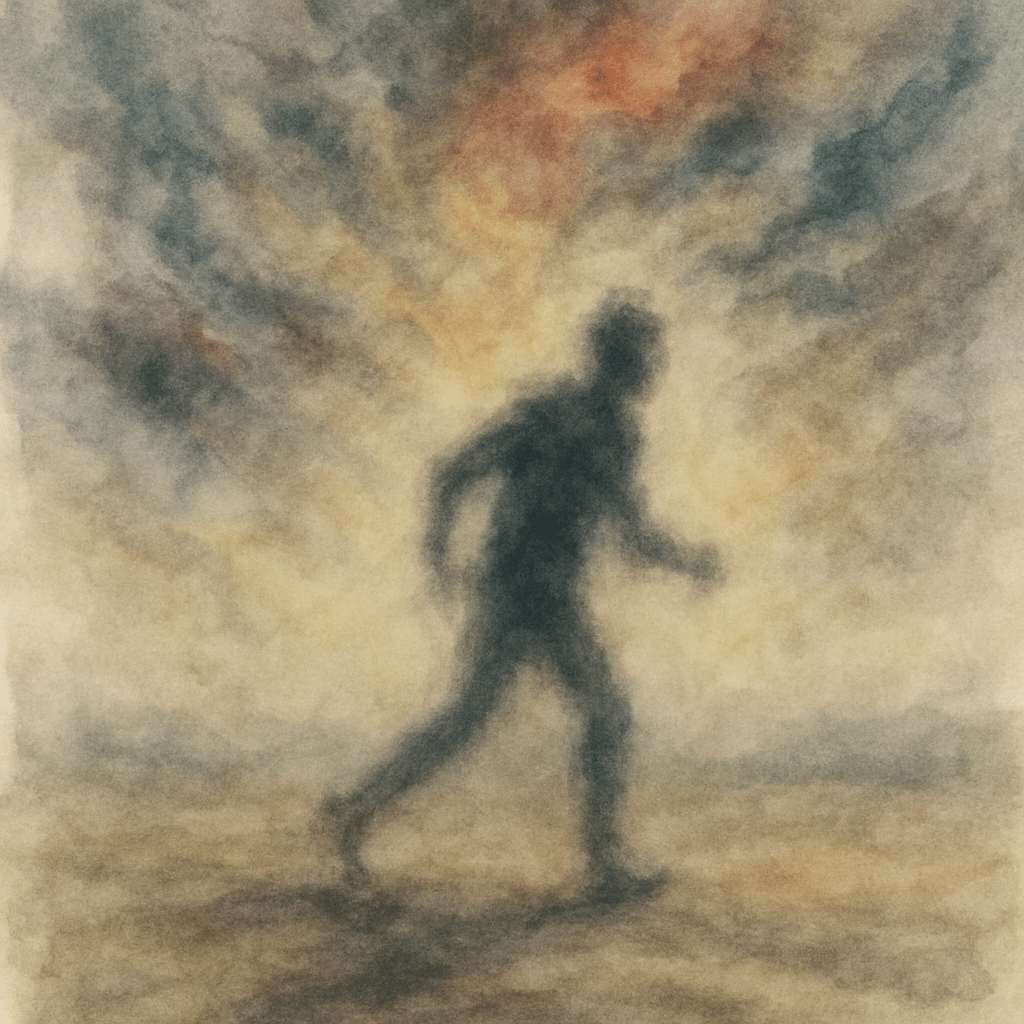
The basics: What is mania?
Mania is a term used by medical professionals, especially psychiatrists and psychologists, to diagnose an individual experiencing a number of hyperactive symptoms, and sometimes delusions. Mania may include some or all of the symptoms below.
Mania is classified as Bipolar 1 in the DSM – the Diagnostic and Statistical Manual of Mental Disorders, a handbook used by mental health professionals to diagnose mental health conditions.
A manic episode is a prolonged period of mania lasting at least a week or longer. It’s a sharp change in behavior, often with mood swings. It can negatively affect relationships, work, and school.
Signs of mania
Elevated mood: Feeling unusually happy and euphoric. This is often an early symptom. It feels great to the person experiencing it, and they may not notice, nor want it to end. It is more obvious to family and friends, who may try to intervene. “I feel like I’m using cocaine, even though I’m not.”
High energy: Feeling energetic, restless, or driven to be more active than usual. It can lead to them racing around, always acting busy. They may start numerous projects they never finish, thinking they are multitasking. “It feels like I am moving faster and the world is slowing down.”
Fast talking: Speaking quickly and excessively, like they can’t get the words out fast enough. They can feel the need to keep talking, a compulsion to communicate with others. Interrupting and dominating conversations. It’s called pressured speech and hypergraphia, which can include texting, emails, and social media posts. “I sent a friend 30 texts in a row, and he hasn’t responded.”
Racing thoughts: Experiencing a rapid and abundant flow of ideas. Thoughts may seem to move too fast or jump from topic to topic, making it hard to concentrate. The ideaphoria can be overwhelming. “I have so many awesome new ideas. I’m going to produce a hit song, write a book, and create artwork.”
Decreased need for sleep: Feeling rested after only a few hours of sleep, or not sleeping at all. They may go to bed at midnight and be up at 4 a.m., yet feel rested and energetic. Sometimes they may go without sleep altogether, which can accelerate the symptoms of mania, like psychosis. “Sleep deprivation is the best hallucinogen.”
Distractibility: Becoming easily distracted by seemingly unimportant or irrelevant external stimuli. Losing focus. Being extremely impatient. Ignoring important responsibilities, resulting in negative consequences. “I haven’t checked my work emails, watched TV, or read news in over a week because I’m just not that interested. I have more important things to do.”
Extreme confidence: Being assertive and confident in interactions. This may lead to meeting many new people, attempting to make deals. It could also mean wearing new, bold, ostentatious clothing, like colorful hats, jackets, scarves, shoes, necklaces, wristbands. “I have no fear walking up to anyone, anywhere, and making friends with them.”
Grandiosity: Having inflated self-esteem and an inflated sense of self-importance, Believing they have special powers, knowledge, or abilities. Thinking they are uniquely superior, talented, or a prophet. “I can see how the universe works, read minds, communicate telepathically, and I am chosen for a special mission.”
Impulsivity: Engaging in risky behaviors, such as excessive spending, gambling, reckless driving, and traveling spontaneously. Acting in hyper-sexual ways, oversharing, and inappropriate communications. It can lead to debt and financial ruin, “I need to use my credit cards to invest in all my new ideas. Money doesn’t really matter anyway.”
Irritability: Becoming easily agitated or aggressive is especially common as mania progresses. Having bursts of frustration and anger and lashing out at loved ones, saying things they later regret. “You seem nicer to everyone except me,” said a husband to his manic wife, as she argued, belittled, and lost patience with him.
Psychosis: Prolonged mania can induce delusions, hallucinations, and visions. Hearing or seeing things that aren’t there, often of a religious or grandiose nature. Having illogical, incoherent thoughts. Feeling paranoid. Lacking self-awareness of symptoms and not realizing they are unwell and in need of treatment or hospitalization. “Government agents are after me because they know about my secret abilities.”
The aftermath of mania
Manic episodes are often followed by severe depression, which may be caused by guilt, regret, embarrassment, and shame. It’s also called Bipolar depression, which can be very dangerous due to the possibility of self-harm.
A comment from a reader: Wow, this list is so accurate. It describes my behavior during a ‘manic episode’. A diagnoses for Bipolar I mania only requires a few of this symptoms, and for a week. My mania included everything on the list, and it lasted for months. I feel lucky to be alive.
See related article: Is the Urge to Run Away a Symptom of Mania?

 Mania Insights
Leave a reply to Practical Strategies for Managing Hypomania and Mania – Mania Insights Cancel reply