
Dietary strategies as a paradigm shift in psychiatry
— A growing body of research suggests that the ketogenic diet, a high-fat, low-carb eating plan long used to control epilepsy, could offer significant relief for people with bipolar disorder, including reducing manic episodes and improving overall mental health.
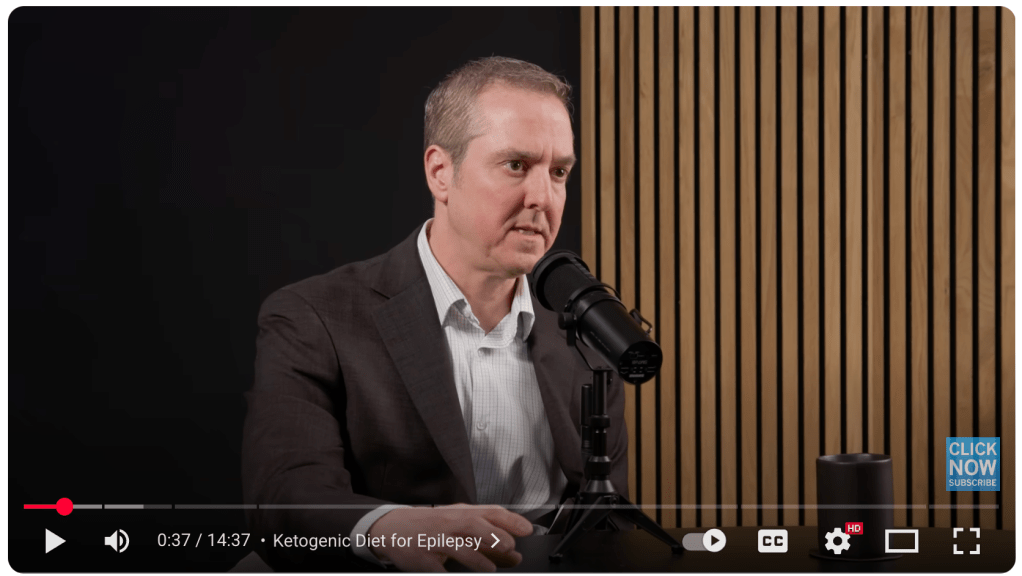
In a recent episode of the Huberman Lab podcast (see link below), Harvard psychiatrist Dr. Chris Palmer shared insights from emerging studies, highlighting how the diet may enhance brain function by boosting mitochondrial health—the powerhouse of cells.
Palmer, author of “Brain Energy,” explained that bipolar disorder often involves disruptions in brain metabolism, which can lead to mood swings, mania, and depression.
Traditional treatments like mood stabilizers help many, but for those with treatment-resistant cases, options are limited. Enter the ketogenic diet: by mimicking a fasting state, it shifts the body to burn fat for fuel, producing ketones that appear to stabilize brain activity.
A key pilot study Palmer discussed involved 20 patients with bipolar disorder who followed a ketogenic diet. Published by researchers in the UK led by Ian Campbell, the trial showed “wide-ranging improvements” in metabolic health, such as weight loss and better blood pressure.
More crucially for bipolar management, it reduced brain glutamate activity—a chemical linked to hyperactivity, seizures, and manic states. Participants reported fewer mood episodes, with some achieving remission without relying solely on medications.
This isn’t just about epilepsy anymore, Palmer told podcast host Dr. Andrew Huberman, a Stanford neuroscientist. There over 50 reports on ketogenic diets for psychiatric disorders, representing 1,900 people, he said. For bipolar and schizophrenia, it’s sometimes extraordinarily effective, leading to remission in resistant cases, he said.
The diet’s benefits stem from its impact on mitochondria, Palmer said. These tiny cell components regulate energy and respond to stress. In bipolar, mitochondrial dysfunction can exacerbate symptoms like mania, where the brain becomes overly excitable.
Ketogenic eating promotes “mitophagy”—clearing out damaged mitochondria—and biogenesis, creating healthier ones. Animal studies support this: ketogenic interventions improved mitochondrial function in the brain, reducing seizure-like activity that mirrors manic highs.
Palmer cautioned that the diet isn’t a cure-all and should be done under medical supervision, especially for those on bipolar meds, as it can interact with drugs or cause side effects like the “keto flu.”
He emphasized balancing it with nutrients to avoid deficiencies. For the general population, intermittent fasting or short ketogenic cycles might offer mitochondrial boosts without long-term commitment, potentially preventing mood instability.
Public response has been strong, with Palmer receiving messages from thousands crediting the approach for life-changing results. “People say, ‘You saved my life,’” he said.
While more large-scale trials are needed, Palmer sees this as a paradigm shift, integrating metabolic health into mental health care.
Experts like Huberman agree the evidence is compelling. It’s unifying biological, psychological, and social factors, Palmer said.
For those managing bipolar mania and depression, this could mean exploring diet alongside therapy and meds. As research evolves, ketogenic strategies might become a frontline tool against bipolar’s volatility.
What is Palmer’s ketogenic diet?
The ketogenic diet, as explained by Palmer, is designed to shift the body’s primary energy source from glucose (sugar) to ketones, which are produced when the body burns fat for fuel. This metabolic shift, called ketosis, mimics the physiological effects of fasting without starving the body. Palmer highlights that the diet has been used for over 100 years as an evidence-based treatment for epilepsy, particularly in cases where medications fail, and is now showing promise for psychiatric disorders.
Key Features of the Diet:
- High Fat: The majority of calories (typically 70-80%) come from healthy fats, such as avocados, olive oil, nuts, seeds, butter, and coconut oil. Palmer emphasizes the inclusion of healthy fats like monounsaturated fats and omega-3s, dismissing outdated fears about dietary fat.
- Low Carbohydrate: Carbohydrates are drastically reduced, often to 5-10% of daily calories (about 20-50 grams per day), to minimize glucose availability and encourage ketone production. This means avoiding sugars, grains, and starchy foods like bread, pasta, and potatoes.
- Moderate Protein: Protein intake is moderate (15-20% of calories) to support muscle and tissue health without disrupting ketosis. Sources include meat, fish, eggs, and some dairy.
- Nutrient Balance: Palmer stresses that the diet must provide adequate calories and essential nutrients to avoid deficiencies. It’s not about starvation but about strategic nutrient composition to optimize health.
Sources:
- Full podcast episode: https://www.youtube.com/watch?v=hCyvqRq5YmM
- Podcast clip: https://www.youtube.com/watch?v=Q_nRaAnjJeI
Related articles:
Researchers testing ‘ketogenic-mimicking’ plan for treatment of mania and depression
Writer Credits ‘Brain Energy’ Book in Her Path Beyond Bipolar Mania
New Book Offers a Metabolic Key to Mania and Mental Illness
Scientists Find Brain Chemical Link Between Bipolar Mania and Epilepsy
 Mania Insights
Leave a comment