
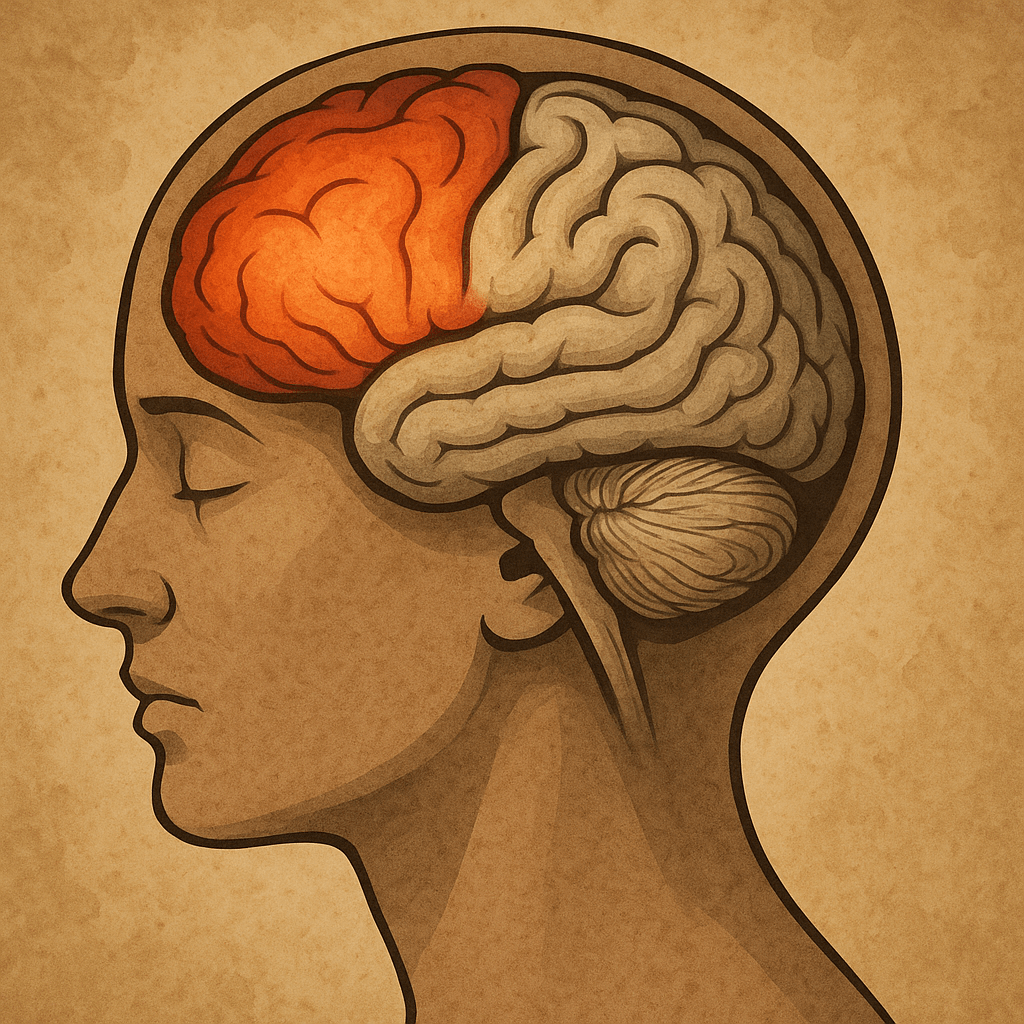
Researchers track two-year patterns showing manic and depressive episodes affect brain structure differently
—Manic and depressive episodes in bipolar disorder cause opposite changes in brain structure over time, with depression increasing brain tissue volume while periods without episodes lead to tissue loss, according to new research published in Neuropsychopharmacology.
The finding helps explain why previous brain studies of bipolar disorder have produced conflicting results. Researchers from universities in Marburg and Münster followed 124 participants for two years, including 62 people with bipolar disorder and 62 healthy controls matched by age and gender.
Using MRI scans, scientists found that patients who had depressive episodes during the study showed increased gray matter in the cerebellum, a brain region used for emotional regulation.
The cerebellum sits at the base of the skull and helps coordinate movement and balance. Scientists say it plays a key role in processing emotions and connecting with brain regions that control mood.
These findings underscore the dynamic nature of brain changes in bipolar disorder, the researchers wrote. They suggest the brain swelling during depression may result from inflammation, while tissue loss during stable periods could reflect the brain’s attempt to repair damage from previous episodes.
The study found that patients who had longer manic episodes before the research began showed greater brain tissue loss during the two-year follow-up period, even when they remained symptom-free. This suggests manic episodes may cause longer-lasting brain changes than depressive ones.
Blood tests showed that bipolar patients with higher levels of C-reactive protein, a marker of body-wide inflammation, experienced more pronounced brain volume increases. This supports the theory that inflammation drives some of the structural changes seen during mood episodes.
The research controlled for factors that could skew results, including medication use, family history of mental illness, and hospitalization frequency. Neither lithium, known for protecting brain tissue, nor antipsychotic medications significantly affected the brain changes observed.
About 1% of the global population has bipolar disorder, which causes extreme mood swings between manic highs and depressive lows. Episodes can severely disrupt work and relationships, and the condition often goes undiagnosed for years.
The study is the second-largest long-term brain imaging investigation of bipolar disorder to date. Previous research produced mixed results partly because scientists didn’t account for when brain scans occurred relative to mood episodes.
The observed brain changes may clarify some of the contradictory findings of cross-sectional and longitudinal studies, the paper said. Whether patients were scanned during active symptoms or stable periods probably influenced earlier results.
The research suggests a “U-shaped” pattern of brain changes, with tissue expanding during depression and shrinking during recovery periods. This cycle may help explain why bipolar disorder can become more severe over time if episodes aren’t prevented.
Source: Nature: https://www.nature.com/articles/s41386-025-02197-x

 Mania Insights
Leave a comment