
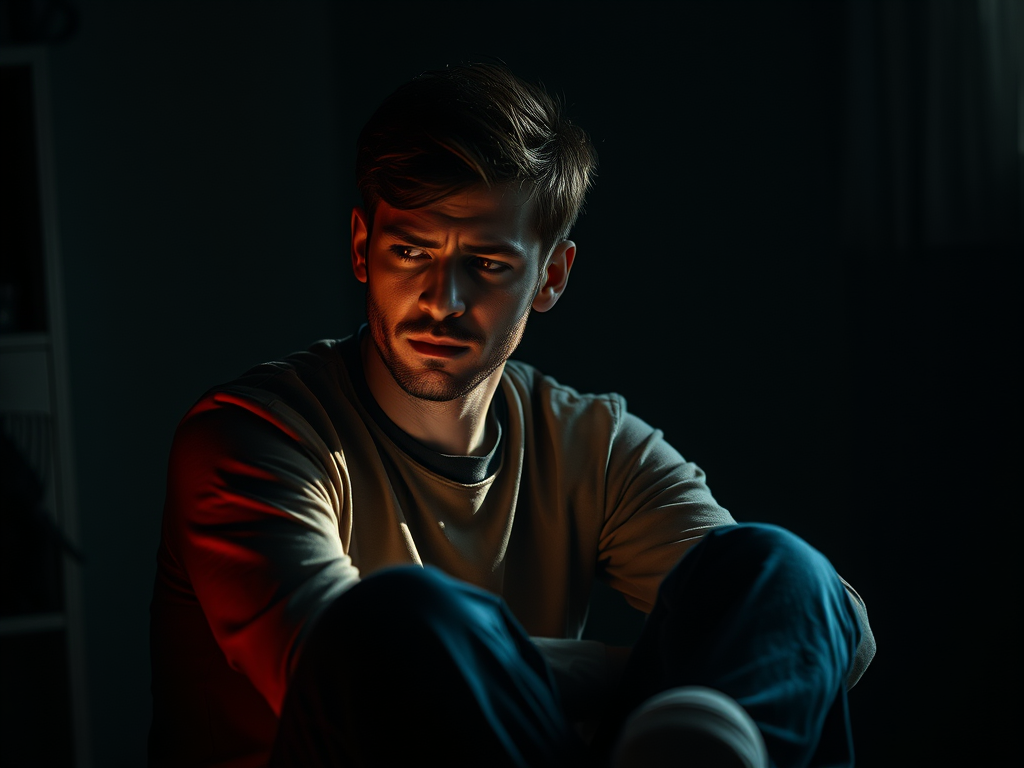
The Illness That Protects Itself: How Denial Kept Me From Getting Help Until It Was Too Late
When the police asked me if I had bipolar disorder, I said “no”. I knew that the diagnosis existed from my therapist as hypomania, that people had suggested it.
I was terrified at the thought of hospitalization or rehab. Being locked up, medicated against my will, having my freedom stripped away because some authority decided I wasn’t fit to make my own decisions. That fear was real.
But that’s not the whole story. Because I didn’t just lie to the police. I lied to everyone, including myself.
I told people I had ADHD. I told them the stress of the divorce was hitting hard. I built an alternative narrative that kept the bipolar diagnosis at arm’s length.
The problem was that I was actually believing this narrative.
This is how denial was for me during my manic episode.
Because if you accept that you have bipolar disorder, you have to accept that your judgment is compromised. You have to accept that your perception of reality might be distorted. You have to accept that you need help.
And the last thing mania wants you to do is accept that you need help.
There was a small part of me, during that episode, that sometimes, had a bit of self-awareness. I remember occasionally recognizing something was off. That I wasn’t completely in control.
But… if I admit this is real, everything changes. My freedom changes. My autonomy changes. My life, as I understand it, stops (and I didn’t know how truly bad I was doing.)
That’s what mania sounds like from the inside. That’s the story it tells.
When I told the police I didn’t have bipolar disorder, I wasn’t protecting myself from incarceration or losing my freedom, though I thought I was. I was protecting the narrative. I was protecting the version of reality where I didn’t need help. Where I was fine. Where the way my brain was operating was the way it was supposed to operate.
I think denial is part of the illness. That its not separate from bipolar disorder. It’s not a character flaw I should feel ashamed about. It’s the illness running a defense mechanism.
The consequences came anyway. The police detained me. The 5150 came from my therapist. Dozens of bad things happened in my life while I was in denial that I needed help.
If I’d accepted the bipolar diagnosis earlier. If I’d been honest with the police. If I’d gone to the hospital when it was suggested. If I’d agreed to medication. If only…
The hardest thing about living with bipolar disorder is that the illness is invested in you not treating it. You don’t need help. That treatment is the problem, not the solution. That doctors don’t understand. That medication will dull you. That hospitalization is the worst possible outcome.
And some of those thoughts have grains of truth in them. Some medications do have side effects. Some hospitalizations are traumatic. Some doctors do misunderstand.
But the truth is that untreated mania is worse.
Latest posts
- I Lied to the Police About Having Bipolar Disorder– Here’s Why
- Friends Tried to Have an Intervention – I Ran Away
- Please Don’t Reply: Why I Sent Hundreds of Texts During My Manic Episode and Couldn’t Respond
- Why Manic Spirituality Feels More Real Than Reality
- Salt Cravings, Dirty Fingernails, and Cracked Skin: The Physical Signs of My Mania
 Mania Insights
Leave a comment