
What an Intervention Looks Like From Inside the Manic Mind
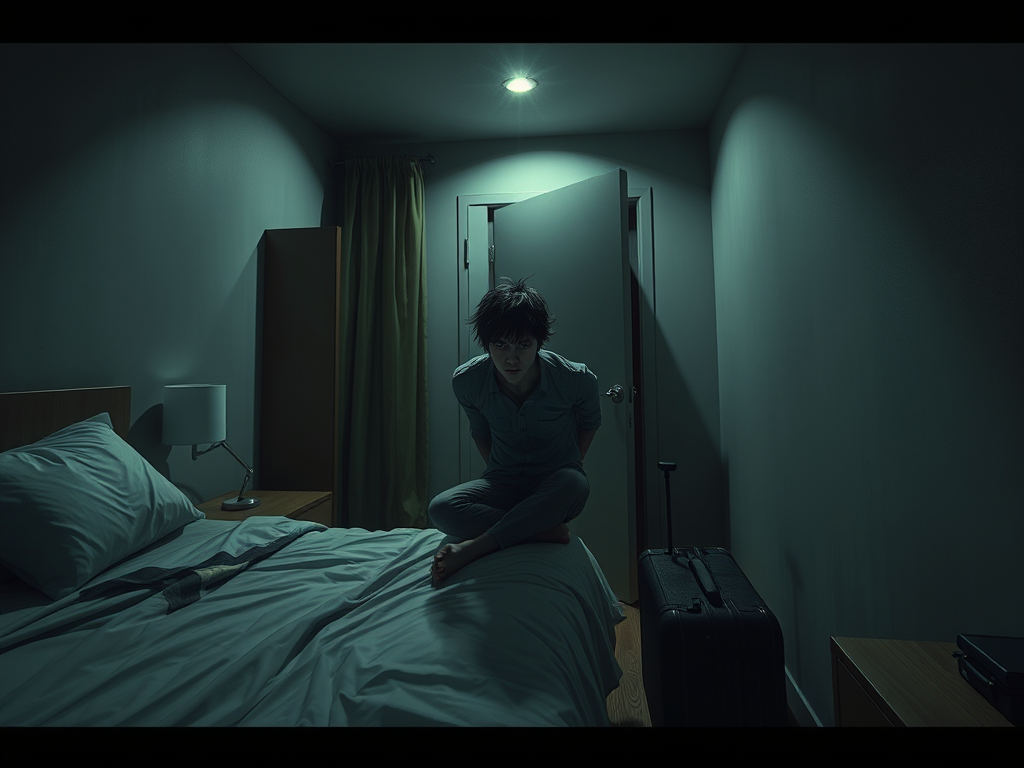
I was in a hotel. That’s where I’d gone to be alone, to think, to move at the speed my brain was demanding. I’d been there for days. Everything felt clear. Everything felt important. I could see connections between things that other people couldn’t see. I was onto something. I was fine. Better than fine.
Then two people I loved showed up. The three of us went to a steak dinner, I paid (mania spending of course), and then they said they wanted to talk. They looked worried.
I don’t remember exactly what they said because my mind was already running through scenarios, terrified, and contemplating what this meant. They had a pamphlet or websites to show me of an inpatient facility. They were trying to trap me, control me, not help me, so I thought.
I felt the walls close in.
Here’s what I want people to understand about mania: when you’re in it, you don’t feel sick. You feel more awake than you’ve ever been. More alive. More clear.
So when people start treating you like something is wrong, it hits different. It feels like betrayal. It feels like they’re trying to dim your light. Medicate you back into the grey, boring world. This is true even if you realize your enthusiasm for life might be a bit off, might be too intense.
So I said “no”. I told them I was “fine”. When they kept trying to talk to me, the paranoia escalated and instead of telling them to leave my hotel room, I just got up and left. I watched my room from a distance and eventually they left.
Then. I left the hotel. I was scared they would come back, or other people, or police. I didn’t check out. I just grabbed a few of my things and walked down the street about a mile away. I rented another hotel room with $100 cash because now I was certain someone was tracking me. I needed to be somewhere they couldn’t find me, so I could rest. Even though I only did for a few hours.
Paranoid. Moving at a thousand miles an hour. Unable to sleep but not tired. My hands shaking. My thoughts fractured. And now I’d isolated myself completely from the people who cared about me had tried to help and now I’d made sure they couldn’t reach me.
Looking back now, I can see how it looked from their side. Two people, genuinely concerned about a friend, showing up to express that concern. And from their perspective, I probably seemed crazed, irrational, and certainly in need of psychiatric care.
All of those things were true. But in that moment, from inside the mania, none of that registered. I was too busy protecting myself from threats that didn’t exist except in my head.
That’s how the manic brain works. It takes evidence that contradicts it and reorganizes that evidence to prove itself right. It’s airtight logic. Impossible to break from the inside.
Looking back, I’m glad that they tried. And I’m sad that I did listen and let them help me.
If you’re watching someone you love reject help, run away, build walls of paranoia around themselves, understand that they’re not doing it to hurt you. They’re doing it because their brain has convinced them they need to survive. They think they’re protecting themselves. They think they’re fighting for their life.
A note from Liam Ronan: Interventions are hard to stage and harder to receive. If you’re considering one, know that timing matters, clarity matters, and having professional support matters. And if you’re the one in the mania, running away doesn’t protect you. It just extends the isolation.
Latest posts
- Friends Tried to Have an Intervention – I Ran Away
- Please Don’t Reply: Why I Sent Hundreds of Texts During My Manic Episode and Couldn’t Respond
- Why Manic Spirituality Feels More Real Than Reality
- Salt Cravings, Dirty Fingernails, and Cracked Skin: The Physical Signs of My Mania
- AI and Bipolar Disorder Mood Detection: How Machines Are Learning to Spot Mania Before You Can
 Mania Insights
Leave a comment