
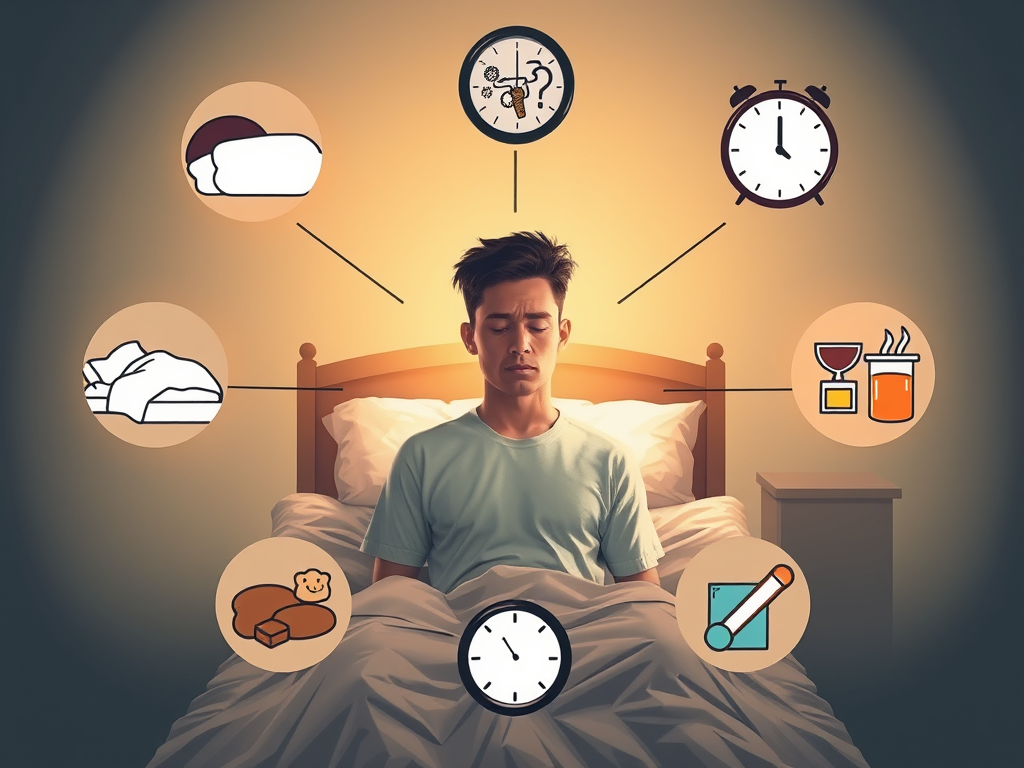
Recognizing the Warning Signs Before an Episode Takes Hold
Manic episodes rarely arrive without warning. For the roughly 4.4% of American adults who will experience bipolar disorder in their lifetime, understanding the triggers for manic episodes is one of the most practical tools available — and one of the least discussed outside a clinician’s office.
A 2023 systematic review published in the Journal of Psychiatric Research cataloged the known triggers for acute mood episodes in bipolar disorder. What the researchers found was striking: despite how central trigger management is to relapse prevention, most of the evidence still comes from case reports and small studies, not the large-scale trials the field needs.
Still, the patterns are clear. Here are eight of the most well-documented triggers for manic episodes, drawn from clinical research, patient-reported data, and frontline psychiatric practice.
1. Sleep Deprivation
This is the big one. Sleep loss is arguably the single strongest trigger for mania, and the relationship runs both ways — mania disrupts sleep, and disrupted sleep can push someone into mania. A prospective study of 172 bipolar patients found that even modest reductions in total sleep time were significantly associated with same-day manic symptoms. Researchers have called this a “vicious cycle” — one that can accelerate rapidly once it starts.
2. Stress and Major Life Events
More than 60% of people with bipolar disorder report at least one stressful life event in the six months preceding a mood episode. Job loss, relationship breakups, financial strain, and family conflict are common culprits. But the research shows something counterintuitive: positive events can trigger mania, too. A study of young adults with bipolar disorder found that falling in love, starting a creative project, and goal attainment were all specifically associated with manic onset — not depression.
3. Alcohol and Recreational Drugs
Substance use and bipolar disorder have one of the highest comorbidity rates in psychiatry. Alcohol is a particularly dangerous combination because it disrupts sleep architecture, destabilizes mood, and interferes with medication. Stimulants — including cocaine, methamphetamine, and even late-night recreational stimulant use — are among the most consistently reported triggers in research. Cannabis has also been linked to earlier onset and more intense manic episodes, particularly in younger patients.
4. Caffeine and Energy Drinks
Caffeine doesn’t get the attention it deserves as a trigger. The 2023 systematic review identified energy drinks as a documented trigger for manic episodes, and earlier research has shown that even moderate caffeine consumption may be enough to spark mania in susceptible individuals. The mechanism appears tied to caffeine’s disruption of sleep and its stimulant effects on dopamine pathways — the same pathways implicated in mania itself.
5. Medications — Especially Antidepressants
The systematic review found that pharmacotherapy was the trigger category with the largest body of evidence. Antidepressants top the list: a network meta-analysis published in eClinicalMedicine in 2025 confirmed that antidepressant-induced mania remains a real and measurable risk. Corticosteroids, stimulant medications prescribed for ADHD, and even some supplements — including St. John’s wort and acetyl-L-carnitine — have also been implicated.
6. Travel and Jet Lag
Crossing time zones disrupts the circadian rhythm, which is the body’s internal clock governing sleep, hormone release, and mood regulation. For people with bipolar disorder, circadian disruption isn’t just inconvenient — it’s destabilizing. Travel-related schedule changes, including late-night flights, irregular meals, and unfamiliar environments, can combine to create the kind of sleep-wake disruption that tips a stable mood into a manic one.
7. Light Exposure and Seasonal Changes
A growing body of research points to light as a direct factor. A prospective study from the APPLE cohort, published in Translational Psychiatry, found that nighttime bedroom light exposure was significantly associated with manic and hypomanic episode relapses — but not depressive episodes. Seasonal shifts, particularly the transition into spring and summer when daylight increases rapidly, have long been observed as a manic trigger. The International Society for Bipolar Disorders now recommends clinical monitoring during light therapy for this reason.
8. Stopping or Changing Medication
Medication nonadherence is one of the most preventable triggers — and one of the most common. Research consistently shows that people with bipolar disorder are at elevated risk for treatment discontinuation, particularly during periods when they feel well and question whether they still need medication. Abruptly stopping lithium, valproate, or antipsychotics can precipitate rebound mania that is often more severe than the original episodes.
What You Can Do
Identifying your personal triggers is one of the most effective things you can do to prevent relapse. Clinicians recommend keeping a mood diary that tracks sleep, stress, substance use, and medication adherence — not to predict the future, but to recognize patterns before they escalate. If you notice two or three of these triggers converging at the same time, that’s a signal to act, not wait.
A note from staff writer Jayne Millerton: I can trace almost every manic episode back to at least two of these triggers happening at the same time. Usually it started with sleep — a few nights of four or five hours felt fine, even productive. Then stress piled on, or I’d have a few drinks to take the edge off, and suddenly I was making decisions at 2 a.m. that I’d spend months undoing. The triggers aren’t always dramatic. Sometimes it’s just a slow accumulation of small disruptions that, by the time you notice, have already tipped the balance.
Sources: Journal of Psychiatric Research — Systematic Review of Triggers for Acute Mood Episodes (2023) | Translational Psychiatry — Light Exposure and Sleep in Bipolar Disorder (2025) | Journal of Affective Disorders — Triggers of Mania and Depression in Young Adults (2012) | eClinicalMedicine — Antidepressant Switch to Mania (2025)
See recent or related posts:
- 8 Triggers That Can Spark a Manic Episode — and How to Stay Ahead of Them
- Social Media Makes Manic Episodes Harder to Recover From
- World Bipolar Day 2026 Is March 30 — Here’s What You Should Know and How to Get Involved
- A Family’s $280 Million Bet on Curing Bipolar Disorder
- Kanye West Says a 4-Month Manic Episode Destroyed His Life
 Mania Insights
Leave a comment